IN A NUTSHELL
The project at a glance.
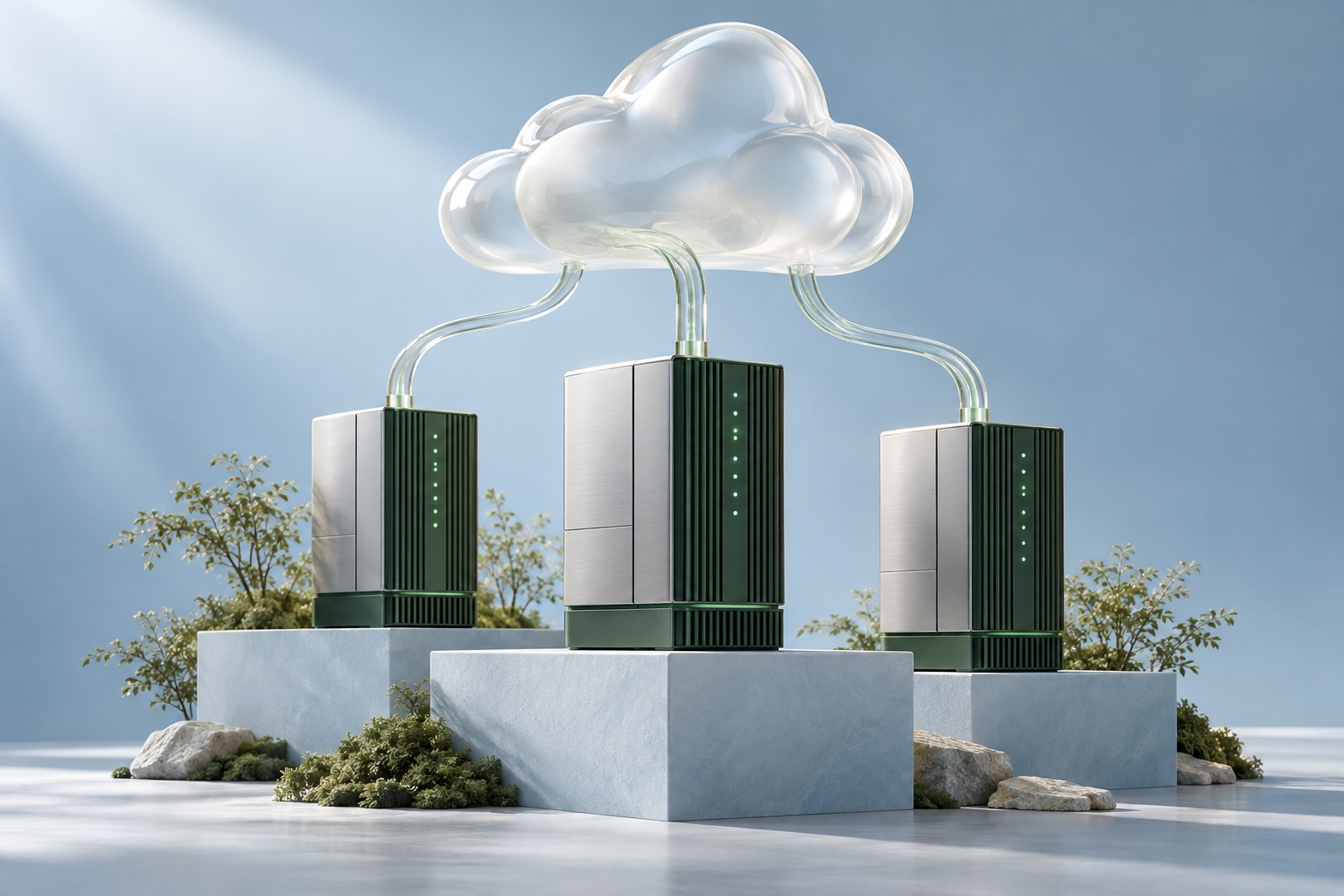
We organized cloud resources through code, centralized source code in repositories and configured monitoring to improve visibility into infrastructure health.
Source code is one part of a service, but it is not the whole operation. Hortus Perú needed to change technology providers and rebuild the infrastructure that kept its website and application running.
01 / THE CHALLENGE
Receiving the code was not enough.
Hortus Perú needed to end its relationship with its technology provider. However, the planned handover included only the website and application source code, leaving the infrastructure needed to run them unresolved.
The risk was a service interruption during the transition. Before moving resources, it was necessary to understand how they worked and what they needed to keep operating in a new cloud environment.
The project also raised an ownership decision: we recommended that the main account be held by the company and that providers work with access limited to their responsibilities.
Your infrastructure should be able to evolve without depending on a single provider.
02 / THE SOLUTION
Infrastructure that can be rebuilt.
We organized the resources in the new environment and used Terraform to define their creation through code. This makes it possible to version the infrastructure and makes its components easier to recreate or change.
The website and application source code was stored in GitLab repositories, organized to preserve versions and prepare deployments.
We completed the work with monitoring and alerts for cloud resources. The goal was to detect failures and provide information to assess capacity changes based on demand.
- Cloud resources defined in code to simplify management.
- Repositories to preserve and organize website and app source code.
- Alerts that provide visibility into infrastructure behavior.
03 / THE IMPACT
More order for what comes next.
The project left a more organized technology foundation: resources defined in code, versioned source code and a monitoring system. These elements made the new environment easier to manage and future changes easier to prepare.
Recommending that the company retain control of the administrator account addressed another part of the challenge: reducing dependence on a provider to access the business's resources.
The migration was also an opportunity to bring order. A service is easier to maintain when its infrastructure, code and monitoring are part of an operation that can be documented and reproduced.
- Versioned
- infrastructure defined through code
- Centralized
- source code in repositories
- Monitoring
- with alerts for cloud resources
04 / BEHIND THE PROJECT
Technology with a purpose.
Every tool plays a role in the solution we build.
- AWS
- Cloud infrastructure
- Terraform
- Infrastructure as code
- GitLab
- Code repositories
- CloudWatch
- Monitoring and alerts